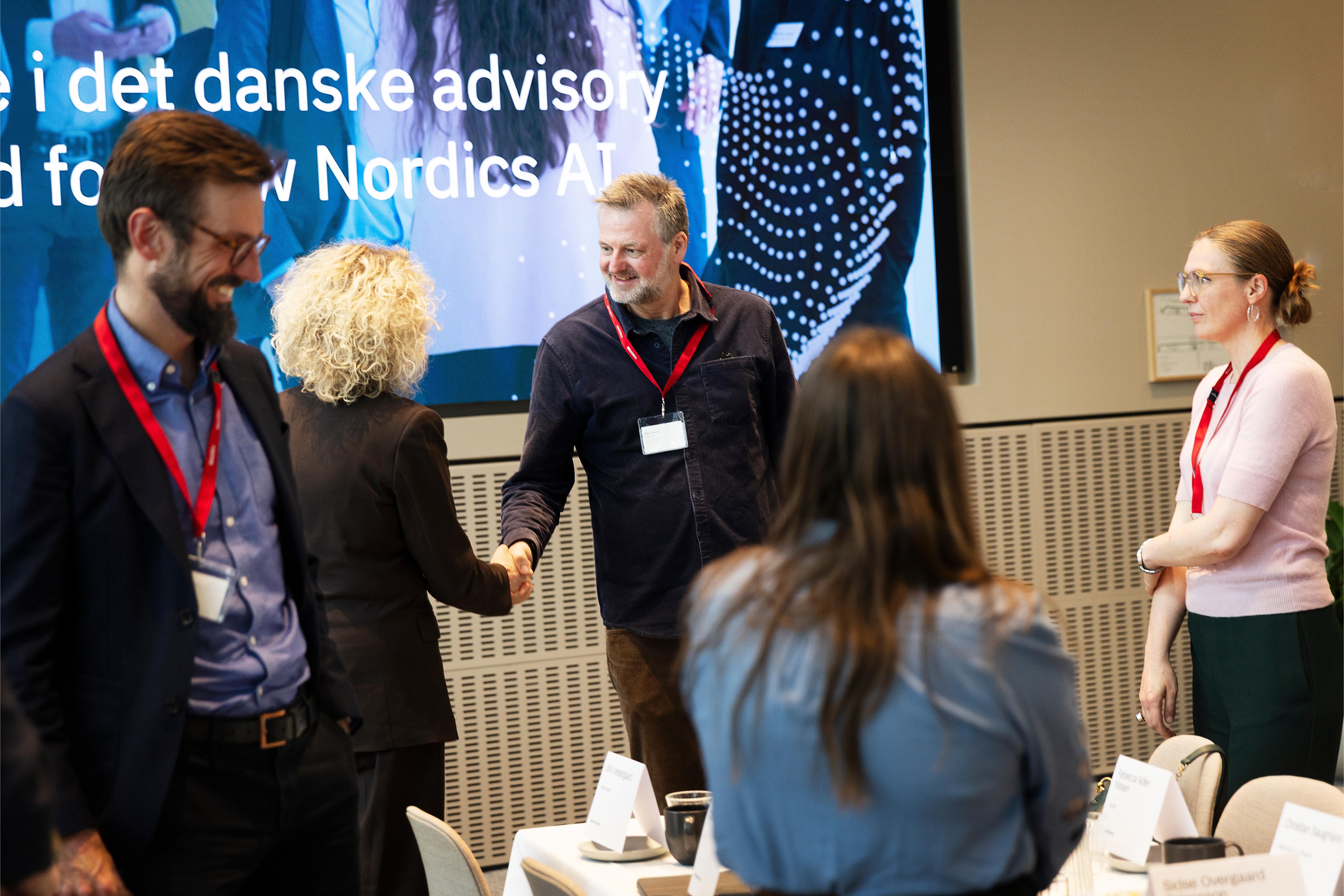
The inaugural meeting of the Danish Advisory Board for New Nordics AI articulated a crucial question: How do we ensure that AI is not merely implemented quickly but also structured to create real value for the societies we want to live in?
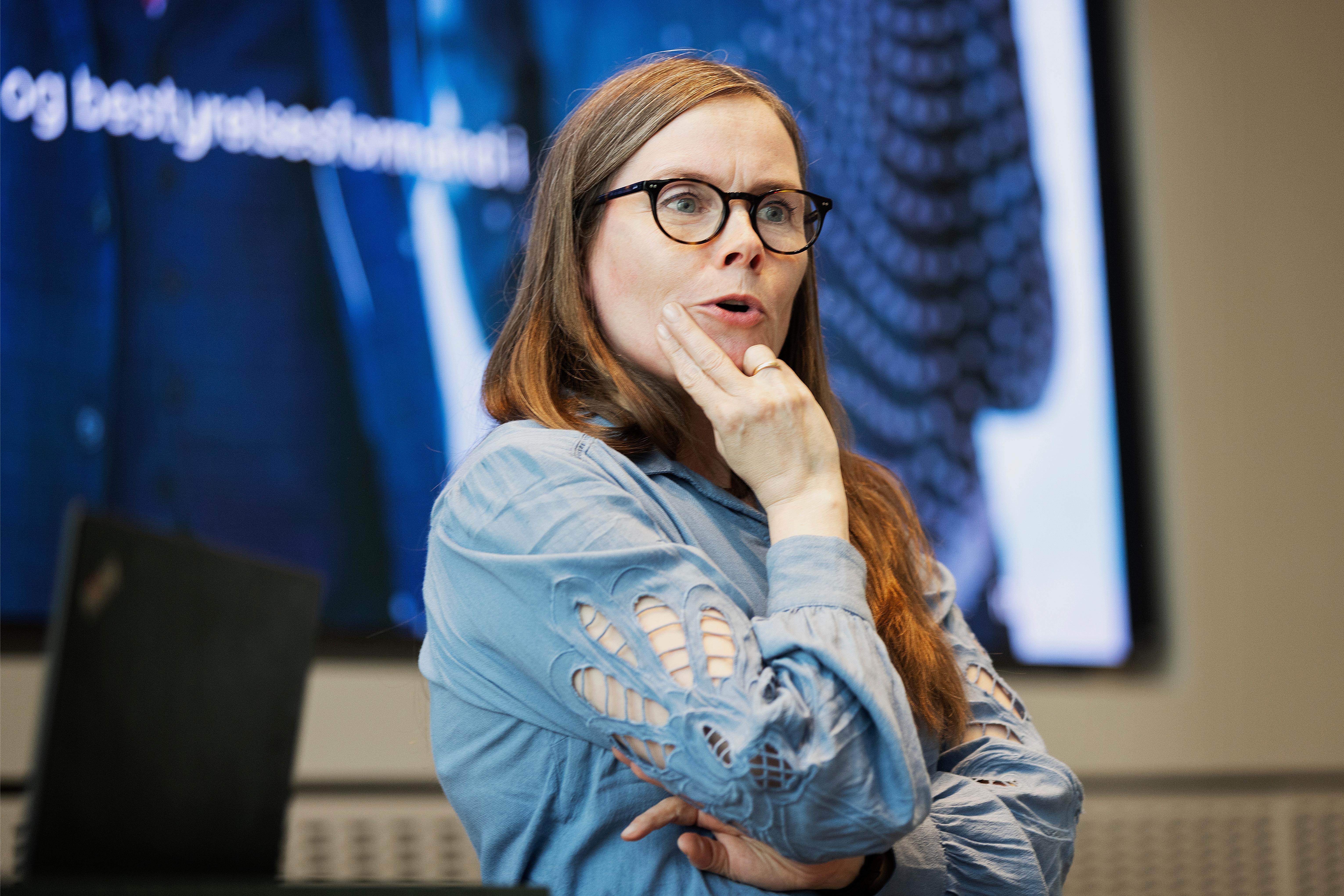
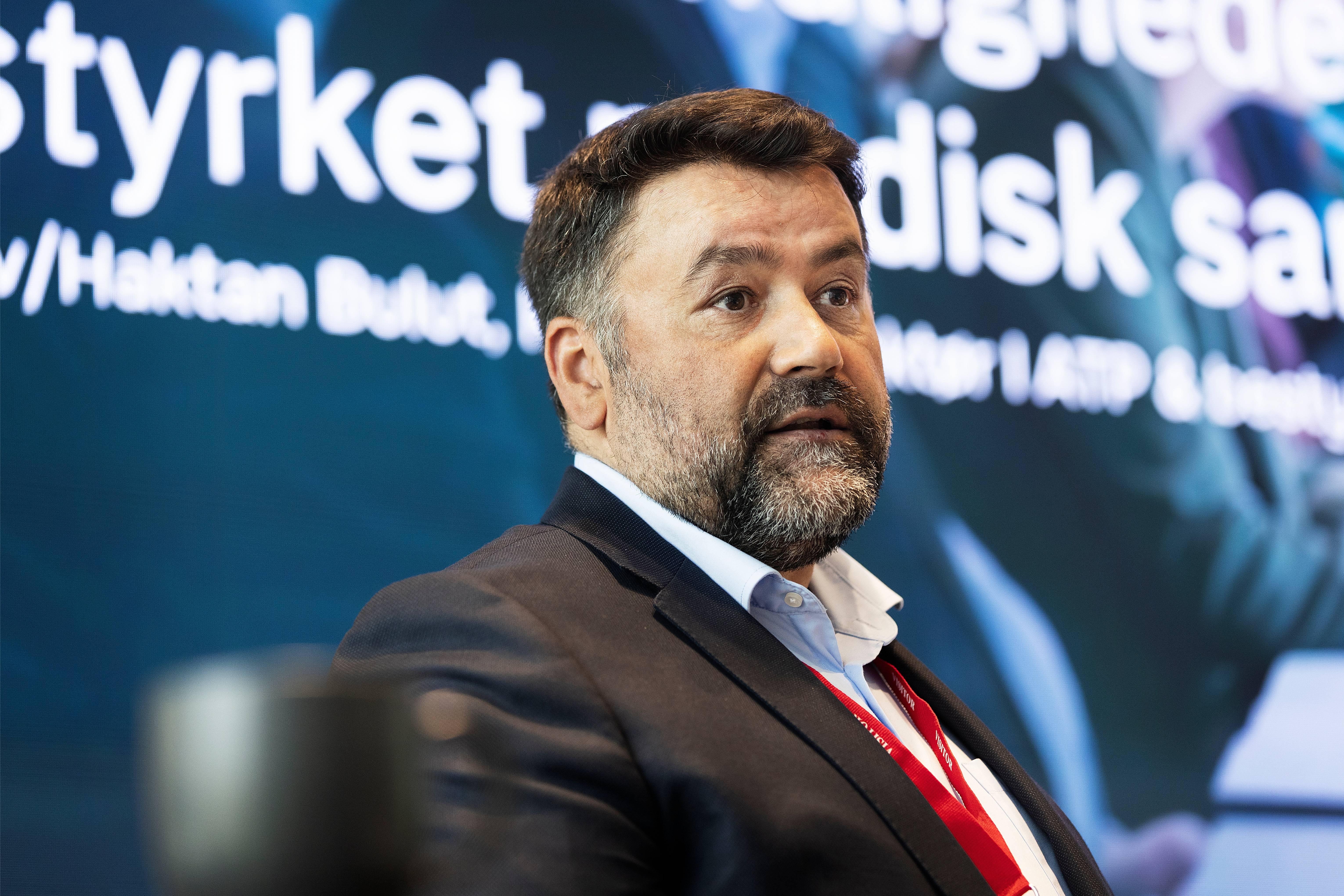
On May 22, 2026, representatives from Danish public and private sector, academia, and the labour market, gathered for the first meeting of the Danish Advisory Board for New Nordics AI (NNAI). The event featured broad representation from across the entire Danish AI ecosystem, including participants from ATP, PwC, Microsoft, HK, the IT University, KL (Local Government Denmark), the Danish Red Cross, and the Nordic Council of Ministers.
A region with unique strengths
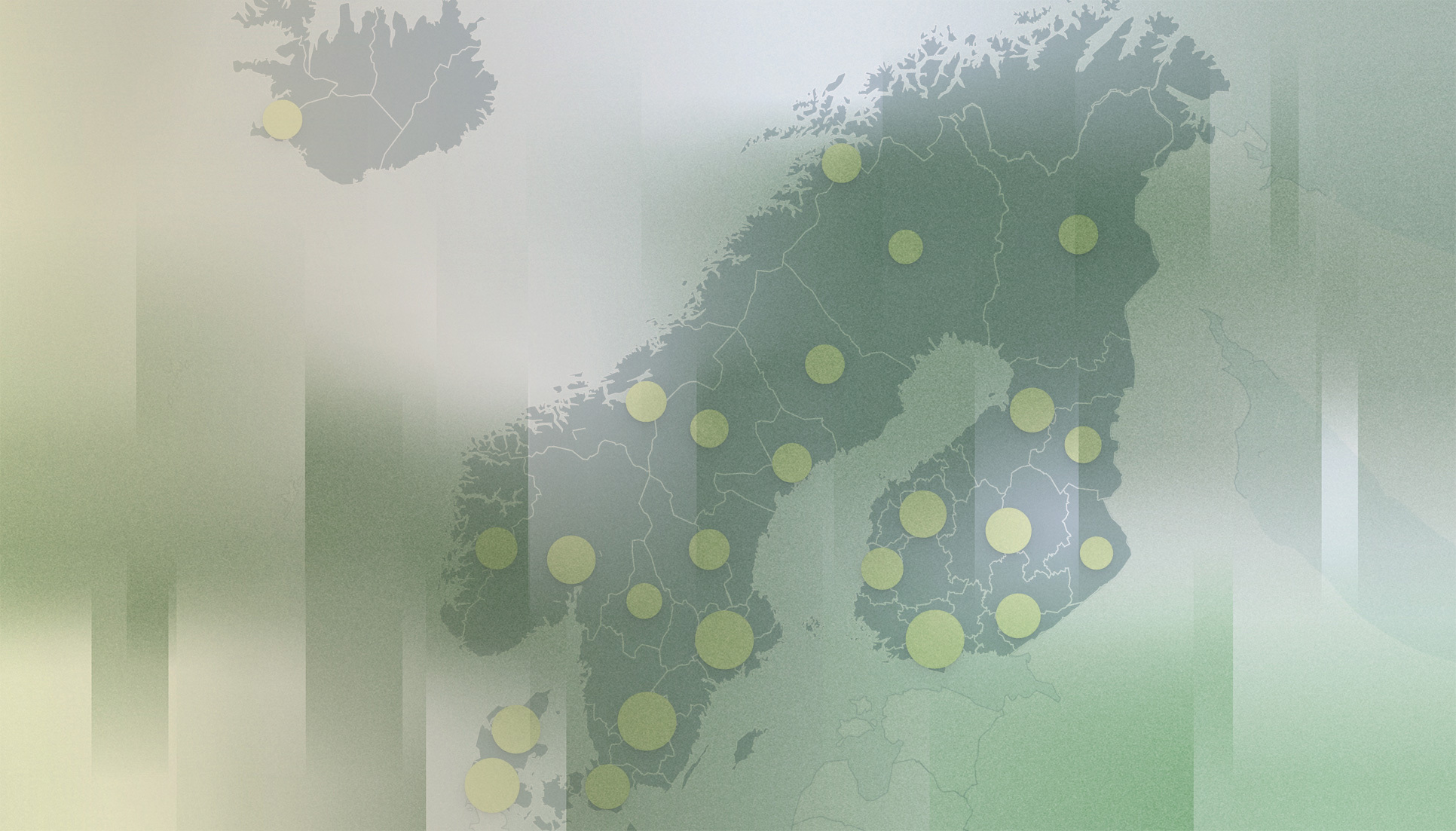
In the Nordic countries, we possess something that neither Silicon Valley, the broader United States, nor China has: a high level of trust, strong institutions, digitally mature citizens, and well-functioning collaboration models between public and private actors. The ability to create trust-based solutions, where technology is explicitly linked to democratic values and social cohesion, is a distinct competitive advantage that the Nordic region must leverage.
Combined with our world-class public datasets and flexible labour market, we have a genuine opportunity to translate AI into concrete, citizen-centric solutions far faster than other regions.
Critical questions
During the meeting, participants discussed critical questions regarding the application and implementation of AI in the Nordic region: How do we preserve trust when technology increasingly makes decisions? What happens to professional life and education when AI redefines the value of knowledge?
The generational perspective, in particular, was a major focus of discussion. Today, AI is one of the greatest sources of concern about the future among young people. This reality compels those of us working in the field to act not only quickly but also wisely. While emphasizing that these concerns must be taken seriously, participants also broadly agreed that people will continue to seek human connection, and that even in an AI-assisted society, human judgment and accountability will remain indispensable.
Nordic cooperation as a lever
In addition to broader conversations about the future of Nordic society, the Advisory Board highlighted specific areas where New Nordics AI can make a meaningful difference:
- Common frameworks and practices: Many organizations face uncertainty regarding regulation and governance. Consequently, there is a clear need for Nordic standards and networks that facilitate responsible, consistent AI implementation across these countries.
- Structured knowledge sharing: Countless organizations currently work in parallel on identical challenges without systematically sharing insights and solutions. A Nordic forum for best practices and concrete use cases can strengthen collaborative learning, saving time and preventing costly mistakes.
- Shared infrastructure and capacity: The Nordic region and Europe must invest in their own capabilities, including computing capacity, data infrastructure, and technological ecosystems. In this space, collaboration among universities, corporations, and public entities can unlock opportunities that no single organization could achieve alone.
Ambitions require action
New Nordics AI and its Danish Advisory Board do not exist merely to hold another networking meeting for the sake of meeting. The overarching ambition is to deliver concrete results, projects, and recommendations capable of shaping the application and implementation of AI across the Nordic countries in the years to come.